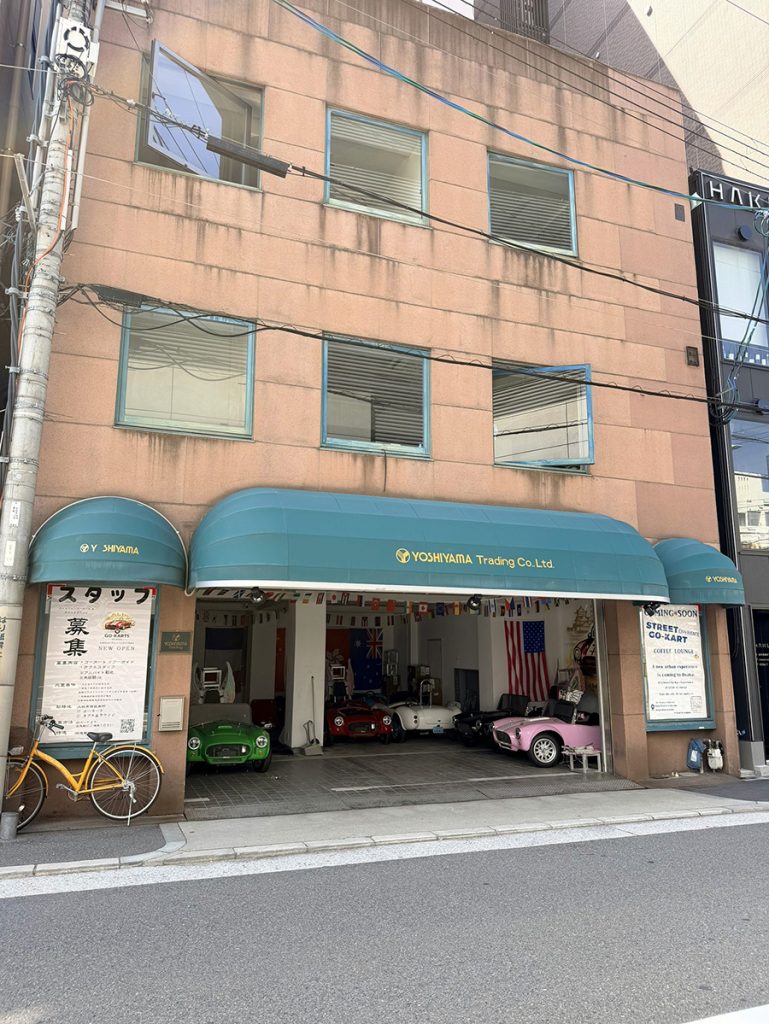
An Osaka kart tour at W Go-Kart Osaka is published as an approximately one-hour experience, but a realistic day plan needs a larger envelope. Add travel to the Shinmachi base, arrival ten minutes before the selected start, original-document checks, the guide’s briefing and travel onward after returning. The drive can fit well between Osaka activities when those edges are protected; it becomes fragile when a visitor treats one hour as hotel-door to hotel-door time.
The first choice is the day’s visual chapter. The operator recommends its Osaka Castle loop during daytime and the Tsutenkaku city loop at night. Both begin and end at 3 Chome-5-2 Shinmachi. Use the current booking starts only after placing that fixed base and the surrounding travel on the calendar.
An Osaka kart hour sits inside a wider time envelope
The Castle map depicts approximately 12.6 kilometres and 48 minutes, while the city map depicts approximately 8.9 kilometres and 46 minutes. Those mapped values leave context for the approximately one-hour service, but neither is a guarantee of exact moving time. Public-road signals, traffic, weather and guide operation remain part of the experience.
The inbound side begins before the nearest station
W Go-Kart Osaka publishes walking estimates of three to five minutes from Nishiohashi, eight to ten minutes from Nishi-Nagahori and about ten minutes from Shinsaibashi. The train journey, platform-to-exit walk, street navigation and error margin come before those numbers. A 14:00 booking should not be paired with a train scheduled to reach Nishiohashi at 13:50.
The reception side starts ten minutes before departure
Guests are asked to arrive early with valid originals and suitable clothing. Staff need the group at the base for check-in and briefing. The arrival-to-finish walkthrough explains why the listed experience should not be reduced to uninterrupted driving minutes.
The outbound side starts only after the group returns
The route returns to Shinmachi rather than dropping visitors at Osaka Castle, Namba or Tsutenkaku. A dinner, theatre, train or museum scheduled afterward needs travel from the shop. Equipment return and regrouping also make a zero-minute handoff unrealistic even when the route map shows an approximate time.
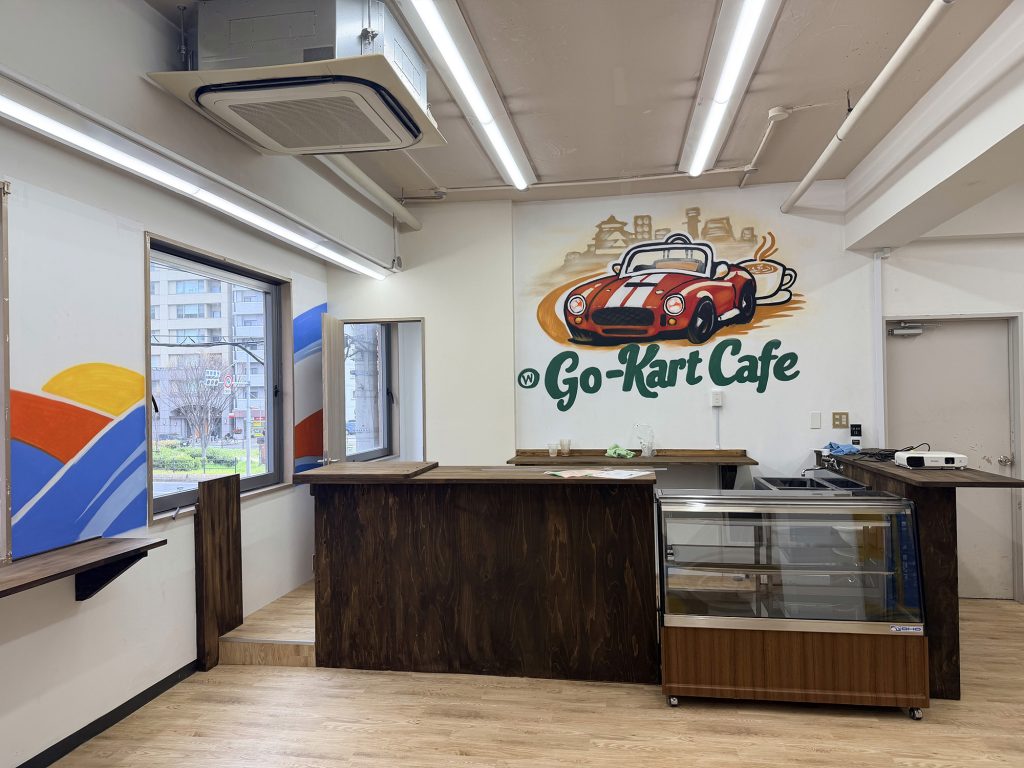
A morning Osaka kart plan can anchor the day before crowds of commitments
Morning starts at 10:00, 11:00 and onward through the daytime band give a visitor room for later attractions. They work best when the previous night allows a calm start and the group can reach reception with documents already sorted. The published price from 10:00 through 16:00 is JPY 7,000.
A 10:00 Castle plan needs a 09:50 reception target
A visitor should leave the hotel early enough to be inside the shop by 09:50. The approximately one-hour service then occupies the late-morning chapter, with onward travel beginning after return. Do not schedule an 11:00 attraction entry elsewhere merely because the tour label says one hour.
The Castle loop pairs naturally with daytime landmark interest
Official Osaka tourism treats the Castle area as a major sightseeing zone. W Go-Kart Osaka’s daytime route offers moving road context around the wider area, not admission to the museum or park attractions. A visitor can schedule a separate detailed Castle visit later, but must use that attraction’s own location, hours and ticket rules.
Morning weather uncertainty should not collapse the rest of the day
Light rain may allow operation and rain gear may be available. Severe or unsafe conditions can cause the operator to cancel, with a refund or no-cost reschedule under the current terms. Keep later attraction bookings independently valid where possible rather than making every plan depend on one weather outcome.
An afternoon Osaka kart tour needs space on both sides
An afternoon start can fit after lunch and before dinner if neither neighbouring event consumes the travel margin. The operator publishes hourly starts through 16:00 at JPY 7,000. At 17:00, 18:00 and 19:00, the evening band changes to JPY 10,000.
Lunch should finish before the group begins moving to Shinmachi
A 14:00 booking is not compatible with a distant 13:30 restaurant reservation. Eating, paying, finding the station and walking all take time. For an activity involving public-road driving, the group also should avoid alcohol and arrive alert rather than rushing from a heavy meal.
A 16:00 start belongs to the daytime price band
The 16:00 service costs JPY 7,000 and lists coffee at JPY 500, speaker at JPY 500 and 360 camera at JPY 1,000 as optional. At 17:00 the base becomes JPY 10,000. Seasonal light changes independently, so neither time guarantees a particular sunset appearance.
A fixed dinner needs travel after the Shinmachi return
If the party drives at 17:00, it should not assume an 18:00 table in Namba is safe. The route and service return to the shop, then the group travels to dinner. A later reservation or a venue near the base can create resilience without changing the kart experience.
An evening-to-night transition changes package as well as light
The 17:00–19:00 band costs JPY 10,000 with the three extras separately priced. The 20:00–22:00 Night Experience costs JPY 13,000 and includes coffee, speaker and 360 camera. A schedule shift across 20:00 therefore changes the commercial package, not only the time on the clock.
An 18:00 start can bridge sightseeing and a late dinner
This shape works for a traveller who finishes daytime activities early, returns to the hotel for documents and reaches reception by 17:50. Dinner comes after the return and onward trip. The group should choose the evening band for schedule fit rather than expect the full night visual identity.
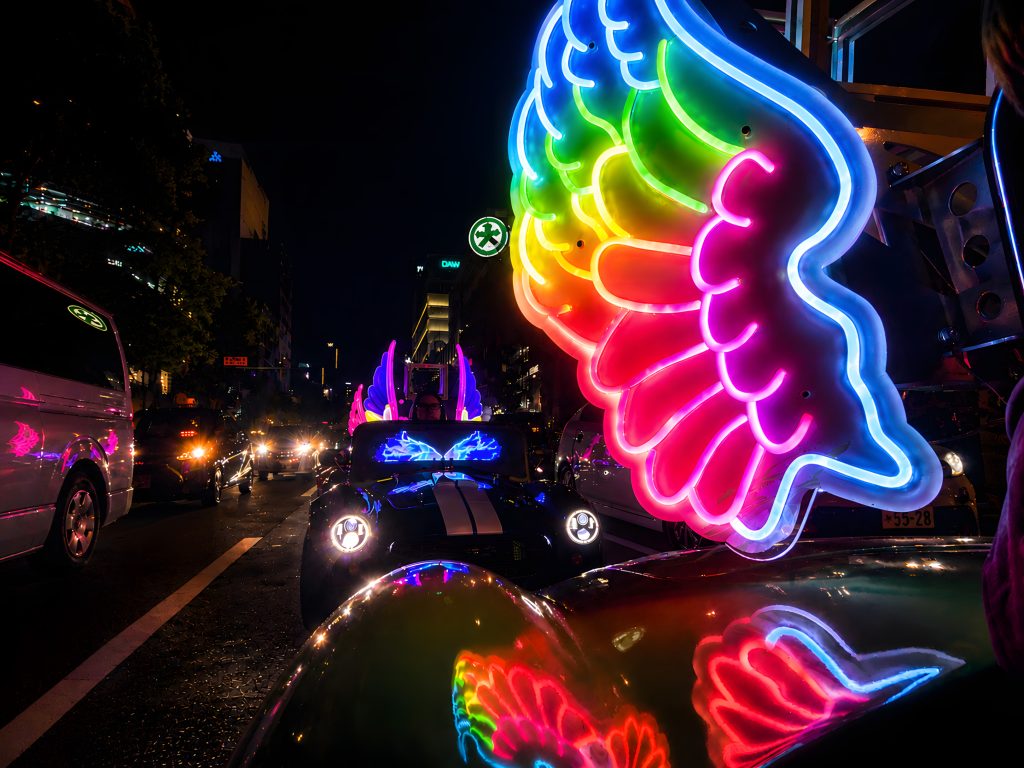
A 20:00 start opens the published Night Experience
The operator recommends its city loop at night. At 20:00, a visitor can make the kart tour the first major nightlife activity, then continue after returning. The approximately 8.9-kilometre loop passes through or near Minami and Shinsekai districts but does not drop the group in Namba.
A 22:00 start changes the next morning
Guests aim for reception by 21:50 and return after the approximately one-hour sequence. Check actual transport from Shinmachi and do not place an early train, airport transfer or full-day excursion immediately after a shortened sleep. The later start has the same published Night Experience content as 20:00 and 21:00.
Three sample day shapes show where the service fits
These are planning structures, not claims about third-party opening hours. Official Osaka tourism offers many itineraries and advises visitors to check individual facilities. Replace the placeholder attractions and meals with current information for the actual travel date.
A history-focused day can place the Castle loop before a separate visit
The visitor travels to Shinmachi, checks in for an 11:00 tour, returns, then moves to a separately planned Castle-area attraction. The kart provides moving city context; the later visit provides walking time and admission. Keeping them separate prevents the visitor from expecting a museum stop during the route.
A Minami day can place 18:00 between shopping and dinner
Shopping ends with enough time to retrieve originals and reach the shop by 17:50. The group completes the guided service, returns to Shinmachi and then travels to dinner. Alcohol stays after the drive. A restaurant is chosen only after its current hours and travel time are confirmed.
A night-first plan can place 21:00 before late entertainment
The group eats an early alcohol-free meal, reaches reception by 20:50 and takes the Night Experience. After returning the karts, it continues on foot or non-driving transport. The evening remains coherent because nightlife does not interrupt driver readiness.
Fragile connections reveal when not to use the one-hour gap
A kart booking should not be inserted between two deadlines that leave no recovery time. Airport arrivals, Shinkansen departures, hotel moves, timed performances and non-refundable dining can all create dependencies outside the operator’s control.
A flight arrival is not a reliable immediate predecessor
Immigration, baggage, railway connections and hotel check-in vary. Booking the first possible hour after landing risks losing both the tour and cancellation flexibility. The booking-timing guide recommends waiting until the slowest travel or document dependency becomes stable.
A reserved train should not depart immediately after the map time
The 46- or 48-minute map value is not a station-arrival promise. The group returns to the shop, handles belongings and travels onward. Choose a later train or an earlier kart start when missing the connection would damage the trip.
A hotel-change day adds luggage and an uncertain base
The site does not publish luggage-storage capacity. Arrange bags with the hotel or another verified service and do not assume the customer lounge accepts large luggage. A settled hotel day lets drivers store passports safely while still carrying the originals needed at reception.
A midday hotel return can protect passports without delaying check-in
For a 15:00 start, one workable pattern is to finish the morning activity, return to the hotel and collect the required originals before travelling to Shinmachi. That sequence is safer than carrying every travel document through an unrelated attraction, but only if the hotel leg is included in the timetable. A driver using the Geneva IDP route needs the original permit, original domestic licence and passport together; a photograph or copy cannot replace the physical set.
If several friends are driving, each person should confirm their own document route before the group leaves the hotel. One incomplete set can change that person’s eligibility even when everyone else is ready. The calm version of this afternoon plan reaches the reception desk by 14:50, keeps the documents dry and accessible, and leaves the post-tour destination flexible until the group has returned to the same Shinmachi base.
Documents and cancellation terms set the booking moment
Every driver needs a valid Japanese licence, or the three-original Geneva IDP set, or the accepted translated-licence set for the listed jurisdictions. Resolve that before placing the tour inside a busy schedule. The date may look perfect while one driver’s physical papers remain impossible.
The 48-hour boundary belongs on the calendar
Customer cancellation is free until 48 hours before the scheduled tour. Inside 48 hours, it is non-refundable, and rescheduling depends on availability. Read the commercial disclosure before buying adjacent non-refundable activities.
The route decision should be written before the day is packed
The one-hour loop comparison helps choose Castle/day or city/night. Once that decision is fixed, other attractions can be placed around the correct part of Osaka and correct return time rather than around a vague “kart hour.”
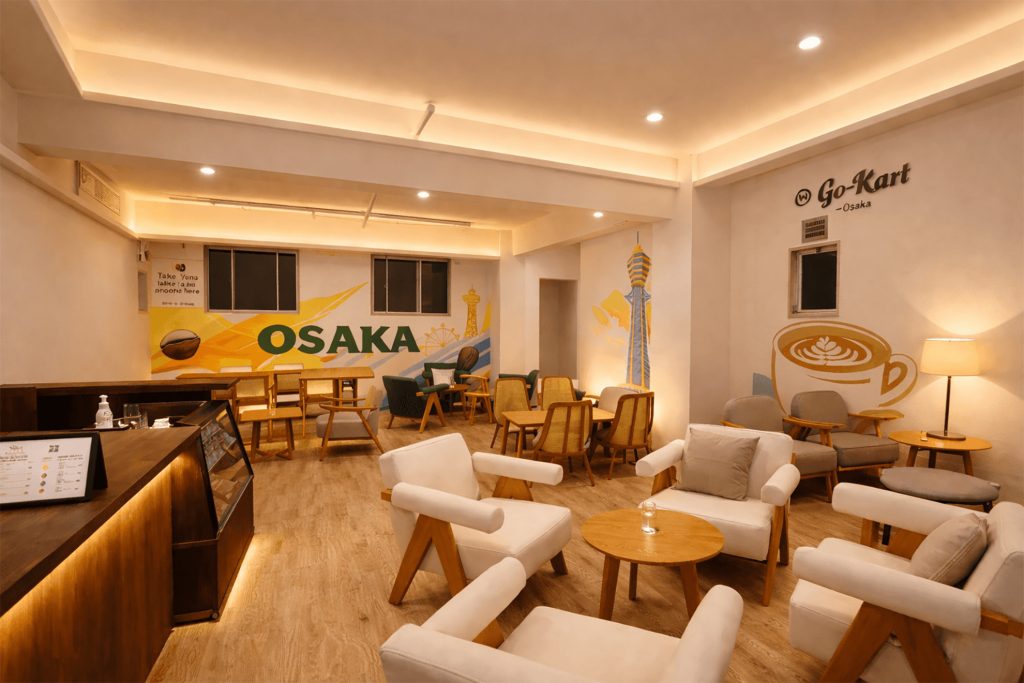
Schedule information checked on 24 August 2026: service duration, mapped routes, starts, prices, address, station walks, arrival, documents and policies were checked on W Go-Kart Osaka pages. Official tourism is used only for general itinerary context. No attraction hour, admission, transit duration, luggage storage, exact finish or traffic-free route is claimed.
Protect time on both sides of the one-hour label. When the group can travel to Shinmachi calmly, arrive with originals, absorb the briefing, drive the loop and continue without racing another reservation, the activity becomes a strong chapter in the day. W Go-Kart Osaka’s service quality is easiest to appreciate in that space: a clear base, real staff, mapped road experience and reliable start-time structure rather than an hour squeezed until every small delay becomes a problem.